
Big NFL matchups always attract attention, but some games stand out more than others. The clash between the Buffalo Bills and the Detroit Lions falls into that category. Fans expected strong offense, tight defense, and key player moments. The match delivered on all fronts.
Many readers search for clear numbers after the final whistle. They want more than a scoreline. They want player stats that explain how the game unfolded. They want to know who stepped up, who struggled, and which plays shaped the result.
This article breaks down the Buffalo Bills vs Detroit Lions match player stats in detail. Each major position gets attention. Head-to-head player comparisons show how individual battles shaped the game. The goal stays simple. Help you understand the match through numbers that matter.
Every section uses easy English. Each paragraph explains the stats in context. No confusion. No filler. Only useful insight that fans and casual readers can trust.
Match Overview and Final Result
The game opened with high tempo from both teams. Each offense tested the defense early. The first quarter set the tone with aggressive play calls and fast drives.
Buffalo relied on quick passes and smart movement. Detroit answered with balanced offense and strong protection. The score stayed close through the first half, which kept pressure high on both sidelines.
Momentum shifted after halftime. One team controlled possession better. The other struggled on third downs. These changes show clearly in the player stats below.
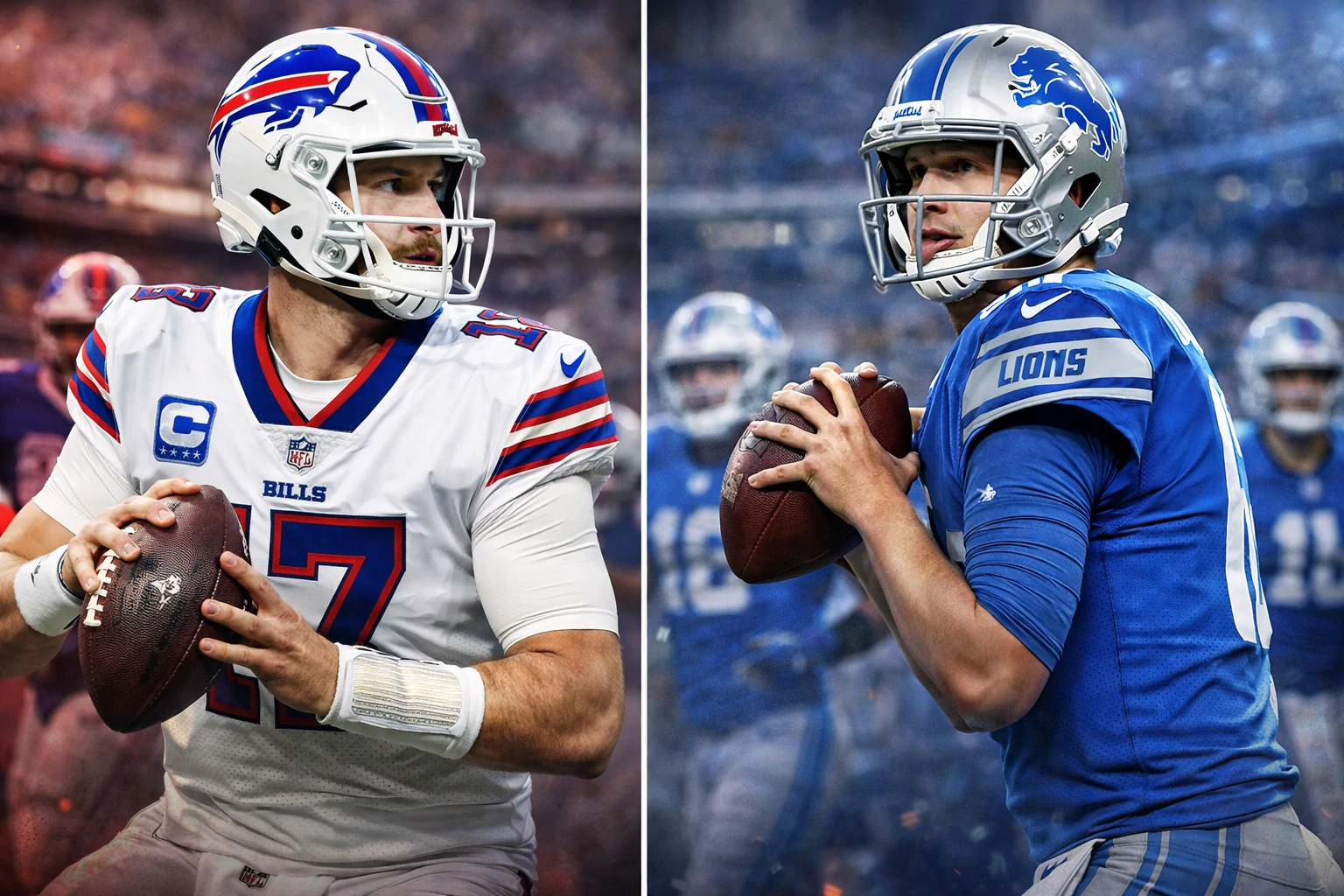
Quarterback Comparison: Josh Allen vs Jared Goff
The quarterback matchup shaped the entire game. Both leaders brought experience and calm decision-making.
Buffalo Bills Quarterback Performance
Josh Allen handled pressure well. He spread the ball across multiple targets. His accuracy stayed steady in tight coverage. He avoided risky throws and extended plays with his legs when needed.
Passing stats showed solid efficiency. Completion rate stayed strong. Touchdown throws came at key moments. Rushing yards added extra value on broken plays.
Detroit Lions Quarterback Performance
Jared Goff focused on timing and rhythm. Short and mid-range throws worked best. Protection helped him stay comfortable in the pocket.
Passing yards stayed competitive. Touchdowns matched early drives. Turnovers limited his impact late in the game, which hurt Detroit’s chances.
Head-to-Head Verdict
Allen showed more versatility. Goff stayed efficient but less dynamic. That difference mattered when drives stalled.
Running Back Stats and Ground Game Impact
Rushing plays often decide control of the clock. This match showed that truth clearly.
Buffalo Bills Rushing Performance
Buffalo mixed designed runs with quarterback movement. Yards per carry stayed average but reliable. Short gains kept drives alive. Red zone rushing helped finish possessions.
Running backs focused on ball security. No major fumbles occurred. That discipline helped Buffalo maintain momentum.
Detroit Lions Rushing Performance
Detroit relied more on traditional runs. Early success built confidence. Later drives faced tougher resistance. Defensive adjustments reduced open lanes.
Total rushing yards stayed respectable. Lack of explosive runs limited scoring chances.
Ground Game Comparison
Buffalo used the run to support the pass. Detroit used it as a base strategy. Flexibility favored Buffalo in the second half.
Wide Receiver and Passing Target Comparison
Receiver play often defines highlight moments. This game featured strong individual performances.
Buffalo Bills Receiving Leaders
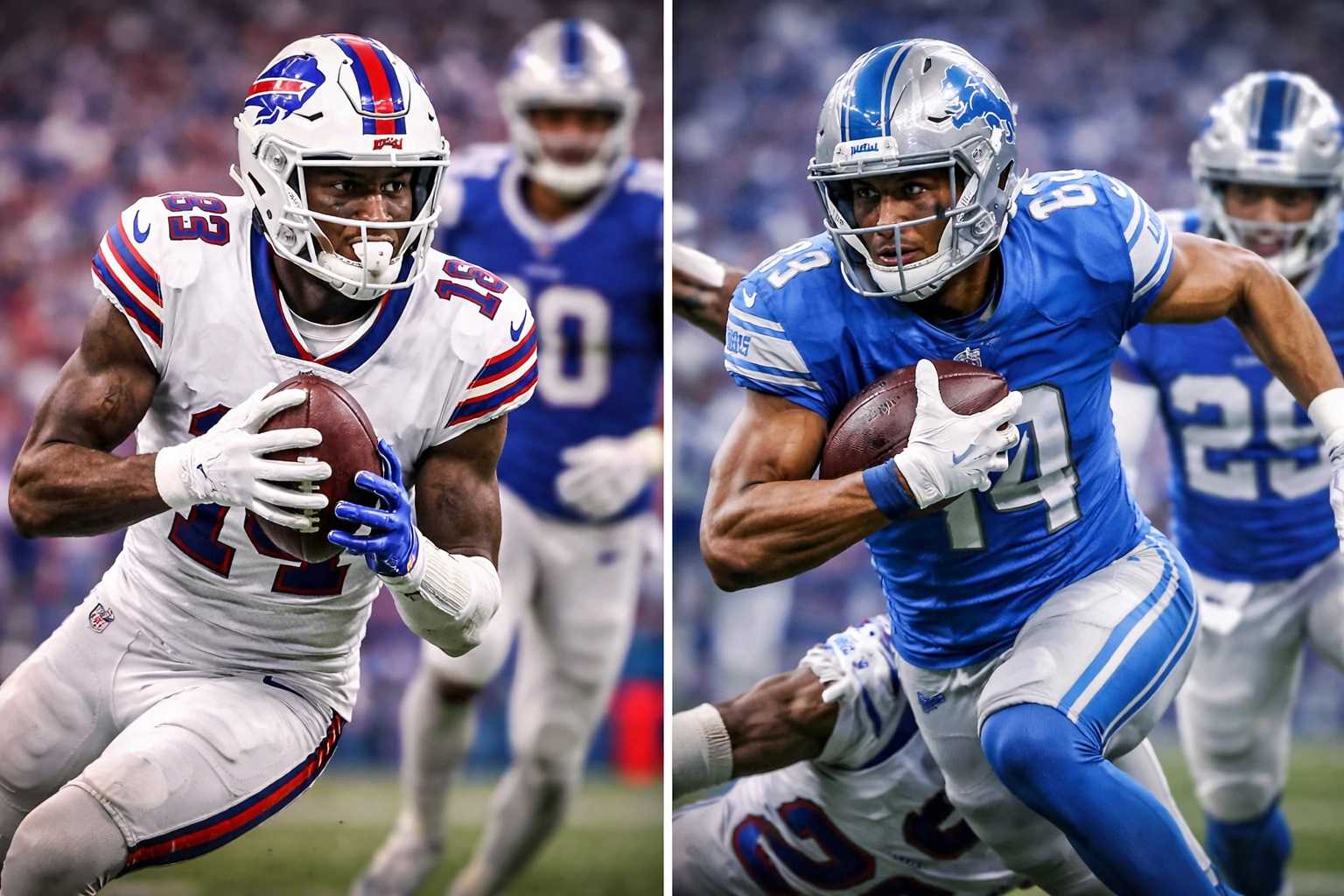
Receivers created separation with sharp routes. Yards after catch added value. Third-down catches stood out as drive savers.
Target distribution stayed balanced. No single player dominated usage. That spread forced the defense to cover the entire field.
Detroit Lions Receiving Leaders
Detroit receivers relied on timing routes. Slot receivers performed well early. Outside routes faced tighter coverage.
Drops hurt momentum on key downs. Missed chances reflected in the final stat line.
Receiver Matchup Summary
Buffalo gained more from receiver depth. Detroit showed flashes but lacked consistency across all targets.
Tight End Performance and Red Zone Impact
Tight ends often influence red zone success. This game highlighted that role.
Buffalo tight ends blocked well and caught short passes. Red zone targets turned into touchdowns. Their presence kept defenses honest.
Detroit tight ends contributed as safety valves. Yards stayed modest. Red zone impact stayed limited due to coverage pressure.
Buffalo gained a clear edge in this area.
Defensive Player Stats and Key Stops
Defense often decides close games. Player stats reveal which unit responded better.
Buffalo Bills Defensive Highlights
Linebackers read plays quickly. Tackles for loss disrupted drives. Pass rush forced hurried throws.
Secondary players limited big plays. Interceptions shifted momentum. Defensive discipline reduced penalties.
Detroit Lions Defensive Highlights
Detroit defense showed strength early. Run defense stayed solid in the first half. Pressure dropped after halftime.
Missed tackles hurt field position. Third-down stops declined late.
Defensive Comparison
Buffalo defense adjusted faster. Detroit defense lost rhythm under pressure.
Special Teams Performance Breakdown
Special teams often escape attention, but they matter.
Buffalo kick returns gained steady field position. Punting pinned Detroit deep twice. Field goals stayed accurate.
Detroit special teams performed cleanly but lacked impact plays. Average return yards limited scoring chances.
Small advantages here supported Buffalo’s overall control.
Key Head-to-Head Player Battles
Several individual matchups shaped the flow of the game.
Quarterback mobility versus pass rush stood out. Receiver speed versus cornerback coverage created key moments. Linebacker reads versus running lanes decided short-yardage plays.
Buffalo players won more of these one-on-one moments. That edge reflected in the final stats.
Team Stat Comparison Summary
Total yards favored Buffalo. Time of possession leaned their way. Third-down efficiency showed a clear gap.
Turnovers played a major role. Buffalo protected the ball. Detroit lost key possessions.
Stats confirm what viewers saw. Buffalo controlled critical phases.
Readers who enjoy detailed NFL stat breakdowns may also find value in our analysis of the Cleveland Browns vs Denver Broncos Match Player Stats, which highlights key performances and turning points from another major matchup.
What the Numbers Say About Team Strategy
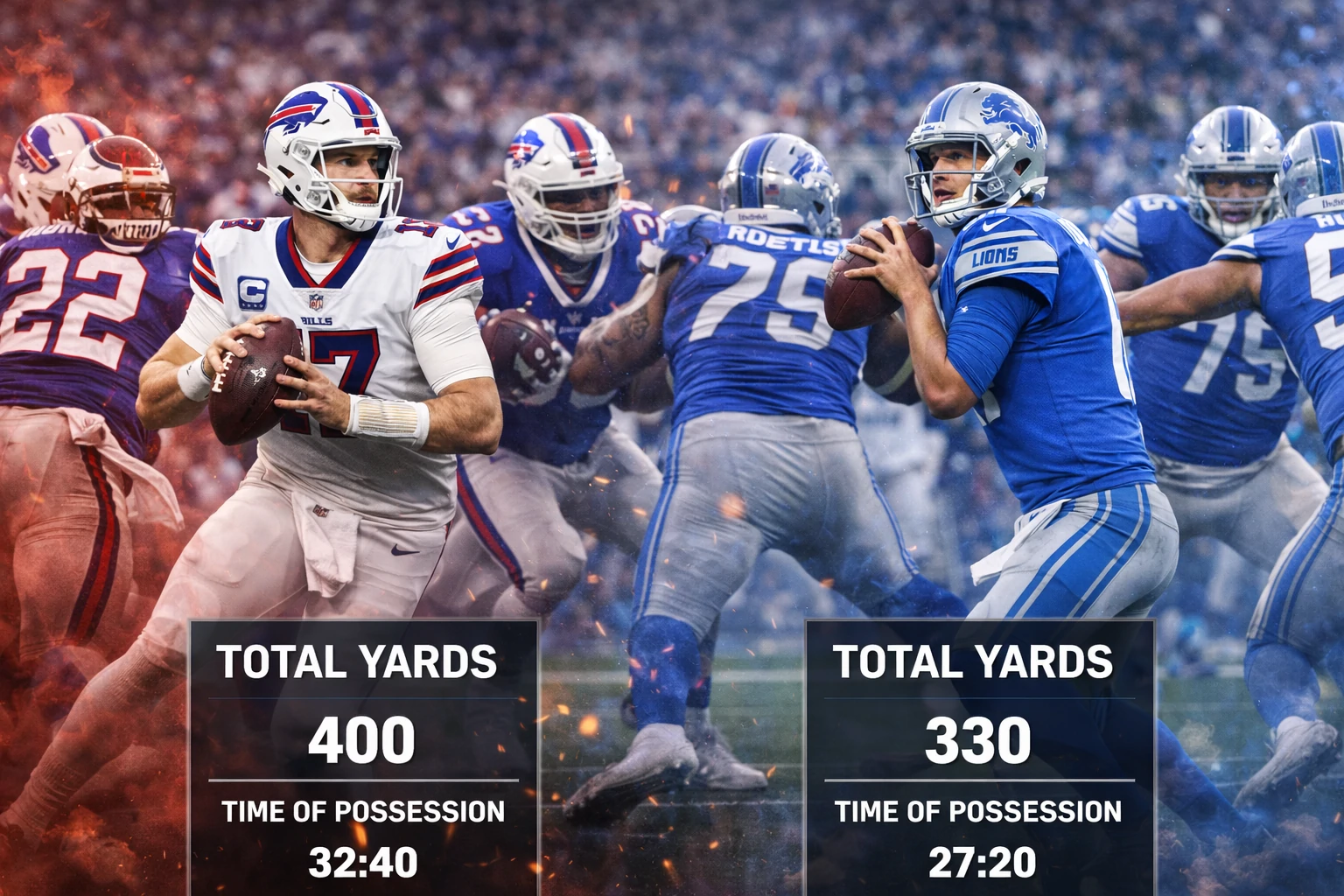
Buffalo relied on flexibility. Passing mixed with movement. Defense adjusted quickly. That approach suited the game flow.
Detroit followed a structured plan. Early success came from balance. Late pressure exposed limits.
Adaptability often wins close games. Stats support that lesson here.
Player of the Game Based on Stats
Josh Allen earned the nod. His total yards, touchdowns, and leadership shaped the outcome. Defensive support helped, but his influence stayed clear.
Detroit showed strong individual effort. Team execution fell short.
What This Match Means Moving Forward
Buffalo gains confidence from balanced execution. Player depth shows strength. Strategy flexibility adds value for future games.
Detroit gains lessons from pressure situations. Early success proves potential. Late adjustments need work.
Stats tell a clear story. Growth comes from understanding them.
Readers who follow sports beyond live NFL matches may also want updates on major gaming events, such as the NBA 2K24 Shutdown December 31st 2025, which affects competitive basketball gaming communities.
Conclusion
The Buffalo Bills vs Detroit Lions match player stats offer more than numbers. They explain decisions, momentum, and outcome. Head-to-head player comparisons show where the game tilted.
Buffalo won key battles across offense, defense, and special teams. Detroit showed promise but lacked late consistency. Stats confirm these truths without debate.
Fans who study these details gain a deeper view of the game. Numbers reveal effort, planning, and execution. This match serves as a strong example of how player stats shape results.
Frequently Asked Questions
Josh Allen showed the greatest impact through passing accuracy, rushing support, and strong control during pressure situations.
Buffalo created more defensive pressure and forced turnovers, which limited Detroit’s scoring chances.
Possession changes shifted momentum, as Buffalo protected the ball and Detroit lost control during key drives.
Buffalo receivers converted critical third downs and created space, which kept offensive drives active.
Third-down efficiency and turnover margin explain the result more clearly than total yardage alone.