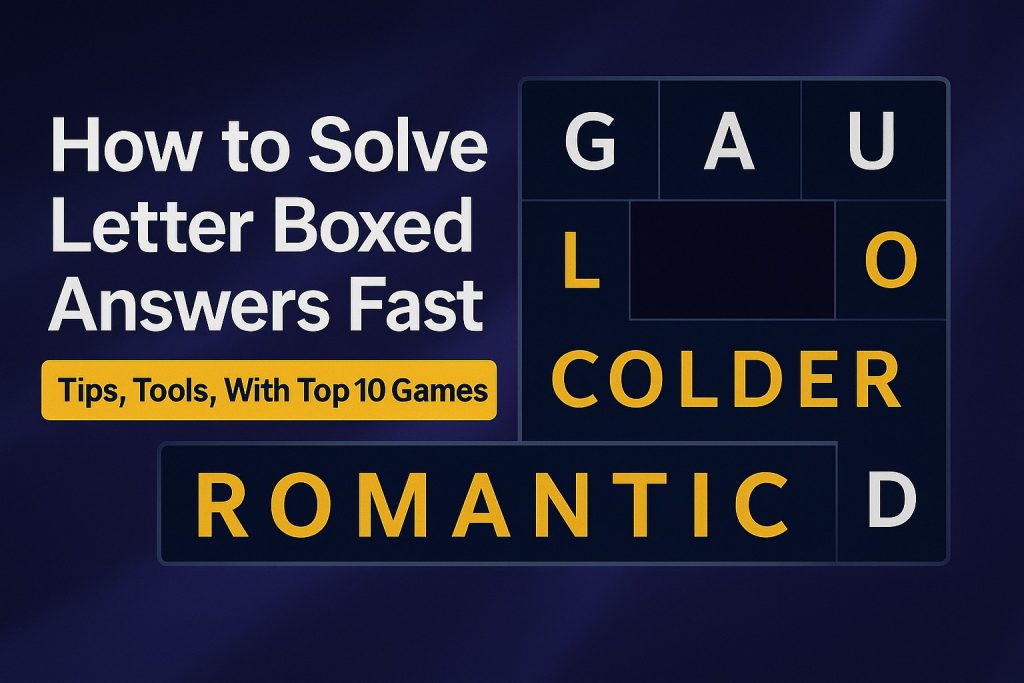
Many people enjoy word puzzles that test their brain. Some games check your memory. Others push you to think in new ways. One game stands out from the rest. It is called Letter Boxed. The New York Times created it as a daily puzzle. At first, it looks easy. But each round brings a new challenge.
The puzzle shows twelve letters on the sides of a square. You must connect them to form words. The catch is simple. You cannot use two letters from the same side in a row. Each word must begin with the last letter of the one before. These rules may seem clear. But finishing the puzzle needs sharp focus and careful planning.
People often ask how to solve it fast. Some want to know why others finish in seconds. Many look for tools, solvers, or smart tips. This guide answers those questions. It shows how to think ahead, spot patterns, and avoid common traps.
You will also find other games like Letter Boxed that improve your skills. Whether you are new to this or play every day, this article will help you get better.
Letter Boxed Game at a Glance
This table shows quick facts about the Letter Boxed puzzle for readers who want fast answers.
| Feature | Details |
|---|---|
| Game Name | Letter Boxed |
| Creator | The New York Times |
| Game Type | Word Puzzle |
| Platform | NYT Games Website / App |
| Release Frequency | Daily |
| Goal | Use all 12 letters in a chain |
| Word Rule | No same-side repeat letters |
| Win Condition | Use every letter at least once |
| Ideal Solution | Two connected real words |
| Skill Needed | Vocabulary + Logical Thinking |
What Is Letter Boxed?
Letter Boxed is a word puzzle from the New York Times. It updates daily. The puzzle shows twelve letters placed around a square. Each side of the square has three letters.
Your task is to connect the letters to make real words. You must use all twelve letters at least once. You cannot pick two letters from the same side in a row. Each word must start with the last letter of the one before it.
Most players try to solve it with just two words. That is the best result. It needs smart thinking and a clear path through the puzzle.
How the Game Works
Letter Boxed follows a clear set of rules. The puzzle gives you twelve letters. These letters sit on four sides of a square. You must use them to form real words.
You pick one letter at a time. You cannot jump from one letter to another on the same side. You must switch to a new side after each step. Each word must also start with the last letter of your previous word. The game does not allow short words, so each answer must have at least three letters.
You win when your chain uses every letter on the board. You may use many words, but most players aim to solve it with only two. That is the cleanest and most efficient path in the puzzle.
Why So Many People Love It
Letter Boxed became popular because it mixes challenge with creativity. It is not about speed. It is about solving with strategy. Players enjoy the slow pace and the reward that comes with finding the perfect chain.
Each puzzle is different. Some letters appear often. Others, like Q or Z, may show up rarely. This keeps the game fresh. Players also enjoy sharing their answers or competing with friends. The simple interface and clean design make the game easy to return to each day.
Solving the puzzle in two words gives a strong feeling of success. It shows skill, patience, and smart thinking.
How to Solve Letter Boxed Answers Fast
Solving fast means thinking ahead. You need more than luck. You must see the board, plan your path, and avoid traps. These tips help you solve smarter and faster.
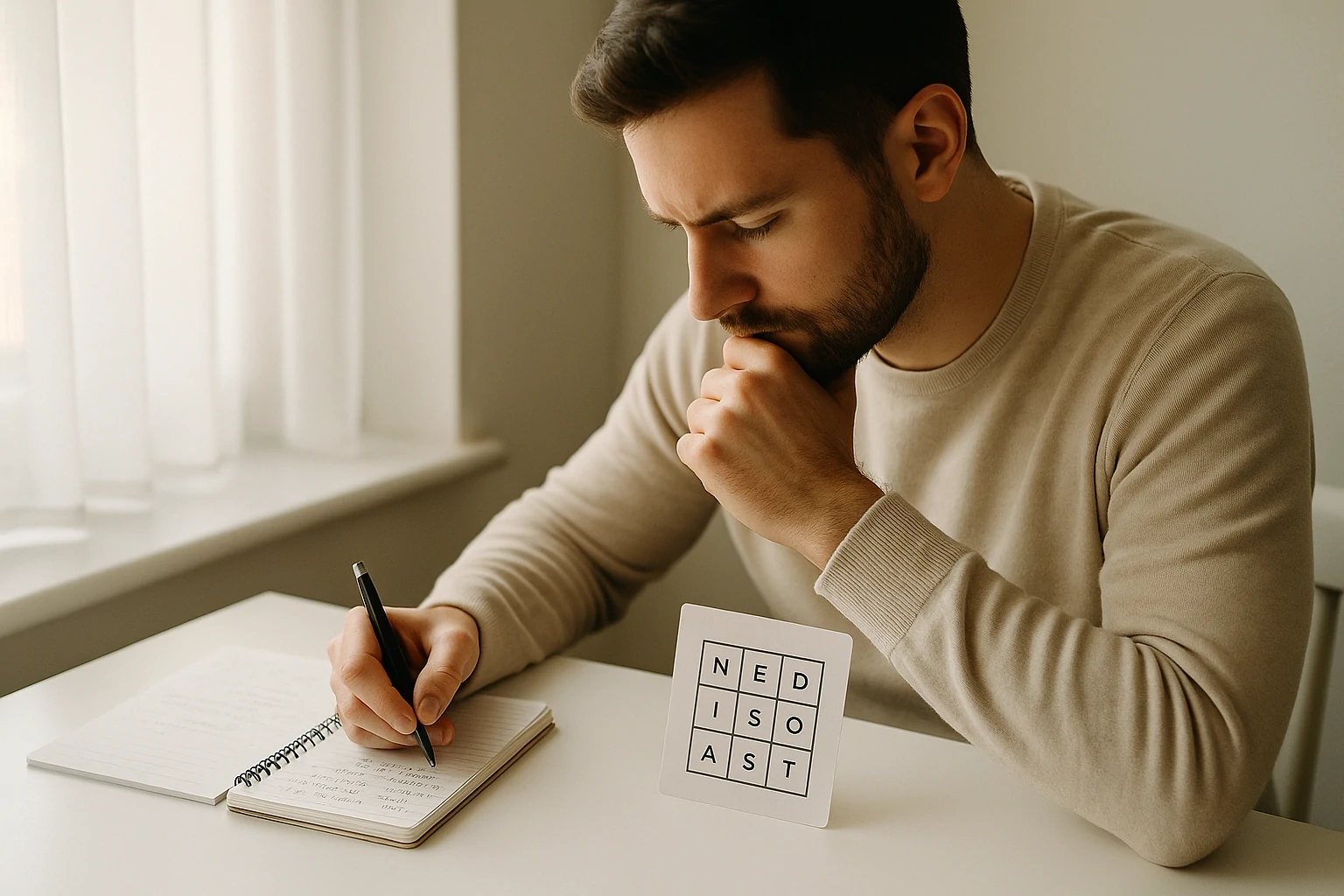
1. Look at the Whole Grid First
Read all twelve letters before you do anything. Do not rush. Spot pairs like TH, SH, or ST. These show up often in English. Also find rare letters like Q, Z, or X. These may limit your word choices. Try to think of ways to use them early.
2. Build a Word Chain in Your Mind
Each word must end with a letter that helps you start the next one. You cannot jump to two letters from the same side. You must move across sides. If you end with E, ask yourself what words begin with E. Think ahead to form a full path.
3. Use Hard Letters Early
Hard letters cause problems late in the game. Look at sides with Q, V, or Z. Try to use one of those letters in your first word. If you leave them for the end, you may get stuck.
4. Think from the End Backward
Some players find the answer by starting at the end. Pick a strong final word. Then search for a good word that ends with its first letter. This can help you create a better chain.
5. Focus on the Two-Word Goal
Most puzzles can be solved in two words. Aim for that. Look for a long word that uses many letters. Then find a second word that uses the rest. Make sure both words link by letter.
6. Keep a List of Possible Words
Use a paper or digital note. Write down possible words as you think of them. Do not type at random. Make a plan. You may spot a better path when you review your list.
7. Use Common Prefixes and Suffixes
Many good words share endings like -ED, -ER, or -LY. You may also spot starts like RE, UN, or DIS. Use these clues to form longer, helpful words that move across the board.
8. Skip Repeat Traps
You cannot go from one letter to another on the same side. Do not fall into this trap. Make sure each new letter comes from a different side. Some good words may look fine but break this rule.
9. Stay Calm if You Get Stuck
If no path works, take a break. Look at the letters again. Try a new angle. Start with a different word. Even expert solvers get stuck sometimes. A fresh view often helps.
10. Learn from Past Puzzles
Review old Letter Boxed puzzles. Read through past solutions. You may find word patterns that repeat. This builds your skill and helps you solve faster over time.
Example: Letter Boxed Daily Solver Layout
Each puzzle looks different, but the solving steps stay the same. Here is a simple layout to help new players understand how a real solution works.
Sample Puzzle Letters
- Top side: A T M
- Right side: L O E
- Bottom side: D N R
- Left side: C U G
Smart Solution
- First word: COLDER
- Second word: RUMANTIC
Both words follow the puzzle rules. The last letter of the first word starts the second. No side is used twice in a row. All 12 letters are covered.
This layout shows how two strong words can solve the full puzzle with clear planning.
Want a change from word puzzles? Try our guide on the best culinary school games for food lovers and gamers.
Best Tools to Help With Letter Boxed
Even smart players get stuck. Some puzzles feel harder than others. You can use tools to make things easier. These tools save time and show better word paths.
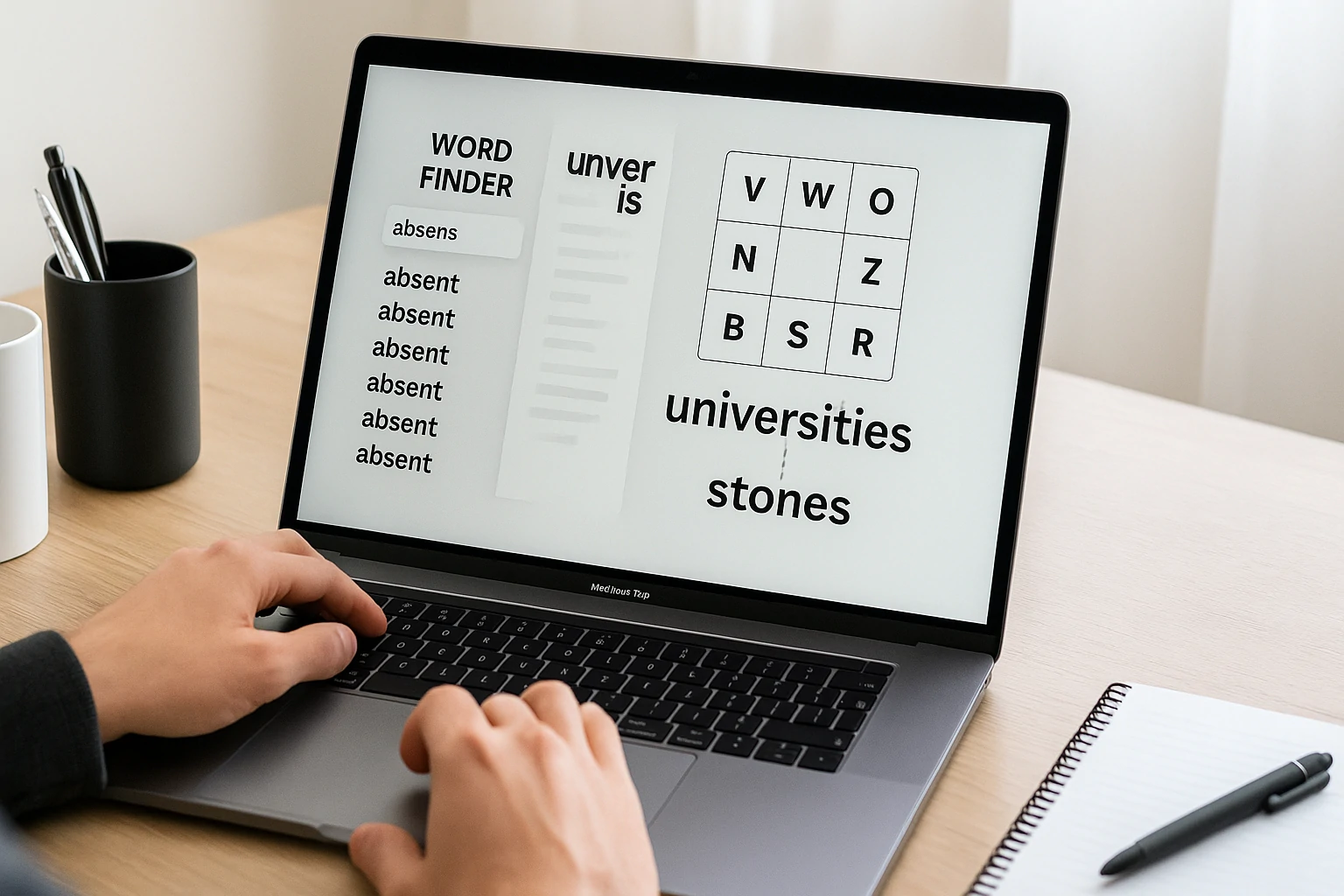
1. Word Finder Websites
Some sites help you find words using any group of letters. You can enter starting or ending letters. These sites show real words that fit your puzzle. Try tools like WordTips, WordFinder, or Wordplays. They offer basic help when you need fresh ideas.
2. Letter Boxed-Specific Solvers
A few tools follow the full rules of the game. They avoid repeat letters from the same side. They link word chains with care. You enter the full puzzle. The solver shows two or three words that may solve it. Sites like Lexology.ai or The Word Finder’s NYT section work well for this.
3. Reddit and Game Forums
Many players share tips online. Reddit has a strong group in the r/NYTgames subreddit. You can read hints, ask questions, or look at full answers. People often post their two-word wins and discuss why they work.
4. New York Times Puzzle Archive
The NYT Games site keeps past puzzles. You can look at old grids and answers. Study them to see patterns. Try to solve old puzzles yourself. This helps you build speed and spot better chains in future rounds.
Real Search Questions Answered
Many users search online for tips to solve Letter Boxed puzzles faster. Some want answers. Others want to understand how the game works. This section explains the most common questions in a clear and simple way.
The fastest way to solve Letter Boxed is to scan the grid before you begin. Look for strong letter pairs and hard letters early. Try to plan your first word with the end in mind. If one letter looks tough to use, find a way to include it early. Most players who solve fast do not guess. They think through each move.
You cannot solve the puzzle with one word. The rules make it clear. You must use at least two words to cover all twelve letters. One word does not let you move across every side of the square.
Most people aim to solve the puzzle in two words. That is the best possible outcome. Some days allow a clean two-word chain. Other days need a third word. A two-word win feels sharp and shows good planning.
There is a trick to getting better. Learn to spot helpful prefixes and suffixes. These help you find longer words. Look at how words link through last and first letters. Practice helps a lot. Many solvers also use tools or websites, but only when stuck.
Yes, players share their Letter Boxed answers online. Reddit has daily threads. Blogs and puzzle forums do the same. You can read full solutions, learn new words, and see how others think. Watching how others solve can help you build faster skills too.
Top 10 Games Like Letter Boxed
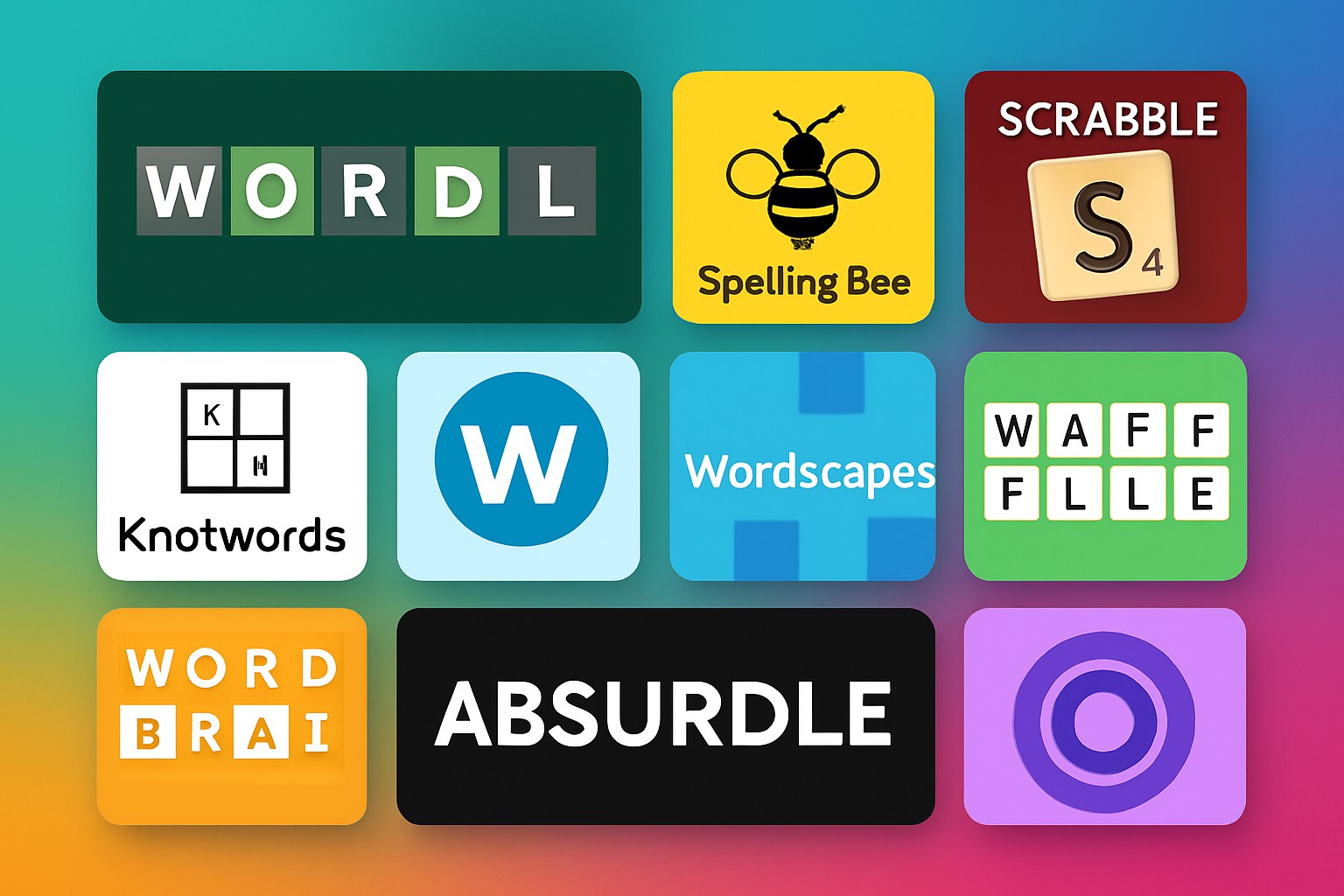
Letter Boxed is a smart and fun word game. It trains your brain with rules that push you to think ahead. If you like puzzles that mix logic and language, there are other games that you may also enjoy. These games test different skills. Some focus on spelling. Others reward sharp thinking. Each one gives you a new way to play with words.
Wordle
Wordle is one of the most popular word games in the world. The goal is to guess a hidden five-letter word in six tries. Each guess gives clues. A green letter is correct and in the right spot. A yellow letter is correct but in the wrong place.
A gray letter is not in the word at all. You only get one puzzle per day, which keeps things fresh and fun.
Spelling Bee
Spelling Bee is another daily game from the New York Times. It gives you seven letters. One sits in the center. You must use that center letter in every word. The goal is to make as many words as you can. Longer words score more points. A perfect game uses all letters in one word. That word is called a “pangram.” Many players try to reach that goal every day.
Knotwords
Knotwords blends word puzzles and crosswords. You get pieces of a word grid. Letters must fit into the puzzle in a way that makes full words. Some letters are already in place. Others must be guessed. You do not get clues. You must use logic and word knowledge. The puzzles get harder each day. Many players enjoy the challenge.
Wordscapes
Wordscapes looks simple at first. You get a circle of letters and must swipe to make words. The goal is to fill all the blank spaces in the puzzle. Some words are easy to find. Others take more thought. New levels unlock as you play. This game has soft colors and a calm mood. It works well when you want a peaceful brain exercise.
Scrabble GO
Scrabble GO brings the classic board game to your phone. You play with real people. You place letter tiles on a grid to form words. High-value letters and smart placement help you score more points. You can play multiple games at once. The app adds power-ups and levels, but the core idea stays true to the original.
Quordle
Quordle makes Wordle harder. You must guess four five-letter words at the same time. Each guess counts for all four boards. The game gives you nine tries in total. You must read clues across all grids. The right guess helps you in more than one puzzle. It tests your pattern skills and makes you think in new ways.
Waffle
Waffle is shaped like a real waffle. It has six hidden words across and down. Some letters are in the right place. Others are not. You must swap letters to solve the full puzzle. You only get 15 moves, so each one matters. A perfect solve uses the fewest swaps. This game rewards focus and careful thinking.
Absurdle
Absurdle is the opposite of Wordle. In this game, the computer does not want you to win. The target word keeps changing to dodge your guesses. The game avoids easy answers. It stretches the puzzle and tries to make you guess longer. You need sharp logic and a lot of patience. It turns a simple idea into a tough fight.
WordBrain
WordBrain gives you a grid of letters. You must find all the hidden words to clear the board. You swipe letters in the right order to form words. The game starts easy but soon gets hard. Some puzzles need you to guess more than one path. You must think ahead or you may trap yourself. Each level helps build speed and word recall.
Semantle
Semantle is unlike most word games. You guess a word, and the game tells you how close your word is in meaning. It does not care about spelling. It looks at the meaning behind each guess. You may need 50 or more tries to find the answer. It feels like a deep search through your brain. This game trains a new part of your word sense.
Want another fun word puzzle to try? Check out our Blossom Word Game for a fresh challenge.
Tips to Improve Over Time
You may not solve every puzzle fast on your first try. That is normal. Good solvers build their skills step by step. With a few smart habits, you can start to see progress each day. These tips will help you think better, spot patterns, and form word chains with ease.
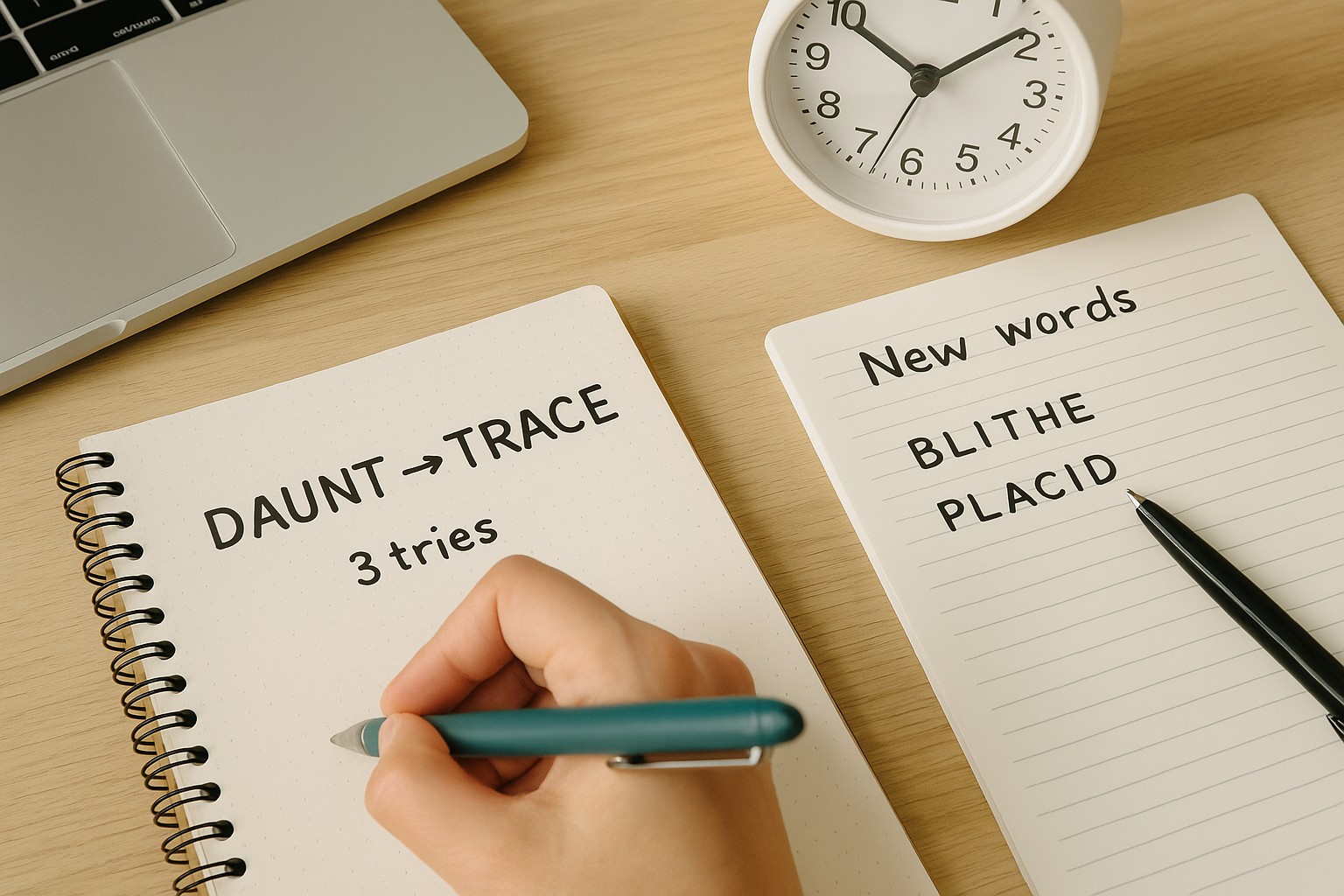
Keep track of your daily puzzles. Write down your first word, your final word, and how many tries it took. Look at which letters gave you trouble. This shows where you can improve. Over time, you will notice better paths and avoid the same traps.
Study the words you missed. After the game ends, check the official answers. Read them out loud. If a word is new to you, write it down. Keep a simple list of new words you want to learn. These words may help you in the next puzzle.
Try solving with a friend. Play on the same day and compare answers. See who finds the shorter chain. Talk about what worked and what did not. You may learn faster when someone else shows a new path you did not see.
Take short breaks when stuck. If a word does not come, step away from the puzzle. Look around. Close your eyes. Breathe. Then return and try again. A clear mind often finds the answer that a tired brain cannot.
Each puzzle helps your brain grow stronger. Solve one each day. Try new tools if needed. Keep learning. The more you play, the better you get.
Want More Daily Puzzle Tips?
Subscribe now on Gamehunt360.com to get fresh game guides, puzzle hacks, and expert tricks sent to your inbox.
Conclusion
Letter Boxed is not just a word game. It builds focus, memory, and problem-solving skills. Each puzzle gives you a chance to think deeper and plan smarter. That is why many people play it every day.
You now know how to solve puzzles faster. You have tools, tips, and smart ways to form better word chains. You can scan letters, avoid weak paths, and learn from each round. Try to reach the two-word goal. But if it takes more, that is fine. What matters most is that you enjoy the challenge.
If you want more ways to grow, explore other word games. Try Wordle, Knotwords, or Waffle. These puzzles test your brain in new ways. Keep track of your progress. Note your wins. Study new words. Each puzzle can help you improve.
Play often. Think clearly. Grow your skills one puzzle at a time.
If you also enjoy smart browser games that test your focus, try strategy titles too. Read our guide on the Top 7 Sites to Play Balloon Tower Defence 5 Unblocked Games (Safely) for a mix of action and planning in a classic tower defense style.
Players Most Common Questions
What makes Letter Boxed different from other word games?
Letter Boxed adds rules that block easy moves. You cannot reuse letters from the same side. Each word must start with the last letter of the one before. This rule forces smart planning.
How many words do most players use to solve the puzzle?
Most players aim to solve the puzzle in two words. Some days allow that clean win. Other puzzles may need three or more. The fewer words you use, the better your result.
Do you need to log in to play Letter Boxed on the NYT site?
You can play Letter Boxed without logging in. Some extra features may need a New York Times Games account. The daily puzzle is still viewable on most browsers without signing in.
Does Letter Boxed have a set time limit or clock?
The puzzle does not use a timer. You can play at your own pace. The goal is to solve it using skill, not speed. A new puzzle replaces the old one each day.
Can I access past Letter Boxed puzzles?
The New York Times puzzle archive stores older Letter Boxed games. You can go back and try puzzles from earlier dates. These help you practice and spot patterns.
Is there a way to track my progress or wins?
The game tracks progress if you log in to your NYT Games account. You can view your win streak and puzzle history. Without an account, your results do not save.
This guide is for learning and fun only. Letter Boxed is a trademark of The New York Times. We do not claim any link to or rights over their content.